Observed, Not Absorbed: A Shadowing Log That Earns Its Place in an Assessor's Portfolio

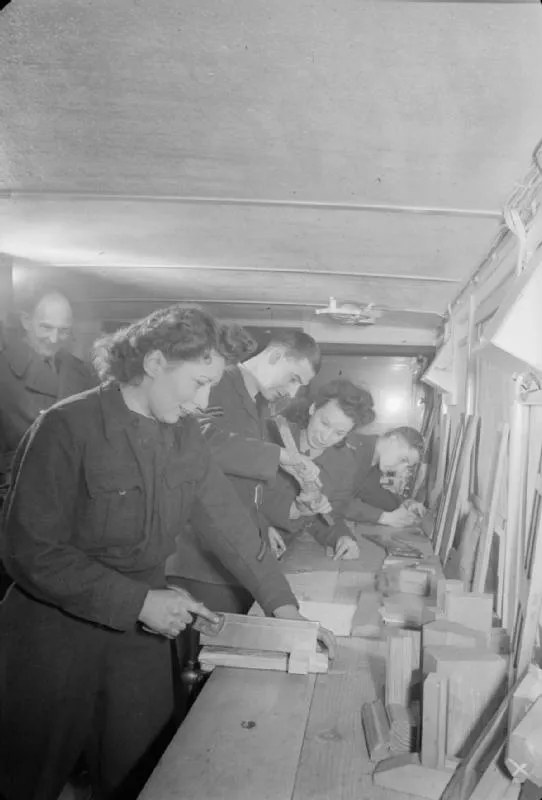
Photo: trainee assessor observing colleague with clipboard in UK training workshop, via i.pinimg.com
Shadowing is the most common form of assessor induction in the UK, and one of the least documented. A newly appointed assessor might sit in on a dozen assessment planning meetings, observe three portfolio reviews and accompany a colleague on two workplace visits during their first term. The hours are genuine. The record, more often than not, is a signature on an induction sheet and a vague recollection of what took place.
That is a missed opportunity twice over. The trainee loses the chance to convert observation into evidence for the Level 3 Award in Assessing Competence in the Work Environment, and into the continuing professional development record that will follow them for the rest of their career. The provider loses a defensible account of how a new assessor's judgement was formed.
A shadowing log, properly designed, addresses both. The emphasis falls on properly. Most logs fail because they ask the wrong question, namely what did you observe, and thereby invite an answer that is descriptive, repetitive and ultimately unverifiable.
Start with context, not commentary
Every entry should open with three short lines of context: the assessment method, the qualification or standard, and the stage of the assessment cycle. An example: observation of a practical task within a Level 2 engineering standard; candidate midway through portfolio completion; assessor present to authenticate a supervisor's testimony.
This does two things. It forces the trainee to locate the session within the wider process, and it gives the reviewer something against which the entry can later be checked.
Four lines of enquiry
Rather than asking trainees to describe everything, ask them to write against four questions:
- What did the assessor decide, and at precisely what point?
- Which piece of evidence carried the decision?
- What did the assessor do when the evidence was thin?
- What would you have done differently, and what does that reveal about your own reasoning?
The second question is the discipline that separates a useful log from a diary. Candidates and trainees alike tend to remember the decision; far fewer can reconstruct the evidential basis for it.
The because column
A workable table carries four columns: point in the session, what was decided, because, and my note. The third column matters most and is the one most frequently left blank. A judgement without a stated rationale cannot be observed, and a trainee cannot learn from what they cannot see.
Consider a strong entry. The candidate's oral answers on safe systems of work were accepted as sufficient because the answers were corroborated by the supervisor's witness testimony and by the candidate's own risk assessment completed three weeks earlier on a different job. That is a sentence a reviewer can interrogate and a trainee can imitate.
Now consider a weak one. The assessor accepted the answers. There is nothing to imitate and nothing to challenge.
What deserves a page
Not every hour warrants one. Set a rule at the outset: a single substantive entry per session, no longer than 250 words, and no entry at all where no decision was taken. Some of the most valuable shadowing happens in the margins, in the five minutes after a candidate leaves when the assessor explains why a decision was deferred. Those conversations deserve a short entry written the same day, because they rarely survive until the end of the week.
Reviewing the log without reducing it to a tick-box
Logs fail at the point of review. Where the mentor's role is to sign twenty entries each term, entries will be written in order to be signed. Three habits help to prevent this.
A monthly conversation rather than a monthly signature. Select one entry and discuss it at length. Ask the trainee to defend the alternative course of action they proposed. If they cannot, the entry was written to please rather than to think.
A quarterly paired entry. Once a term, mentor and trainee independently record the same session, then compare accounts. Divergence is the point: either the trainee missed something material or the mentor's reasoning was less visible in the room than they assumed.
A changed-my-mind section. Invite the trainee to note, at least twice over the log's life, a judgement they now consider wrong, with the reason. This is not a register of failure. It is the clearest available sign that the log is functioning.
Making it count
For a qualification, the log is supporting evidence and never the principal evidence. It demonstrates that the trainee was present, attentive and reflective; performance evidence demonstrates what they can do without support. Keeping that distinction clear protects both the integrity of the award and the credibility of the trainee.
For CPD, the log is a ready-made reflective record. Whether an assessor is maintaining an annual declaration or working towards the Level 4 Award in the Internal Quality Assurance of Assessment Processes and Practice, a short extract from a shadowing log will often demonstrate reflective practice more persuasively than a certificate of attendance.
A closing word on honesty
Every log tempts its author to write for the reader. A shadowing log that contains only competence, only agreement and only tidy conclusions is a manufactured document. Its value sits in the awkward entries: the session whose reasoning could not be followed, the candidate whose evidence was accepted and afterwards questioned. Those are the entries that convert three months of sitting beside a colleague into something resembling a formed professional.